



10 May 2025
Scan QR, Log Entry
The main function of Qrgate is to let employees scan QR codes placed at entry points using the mobil...
MoreFollow what has changed in QRGate and which features have been added on this page.
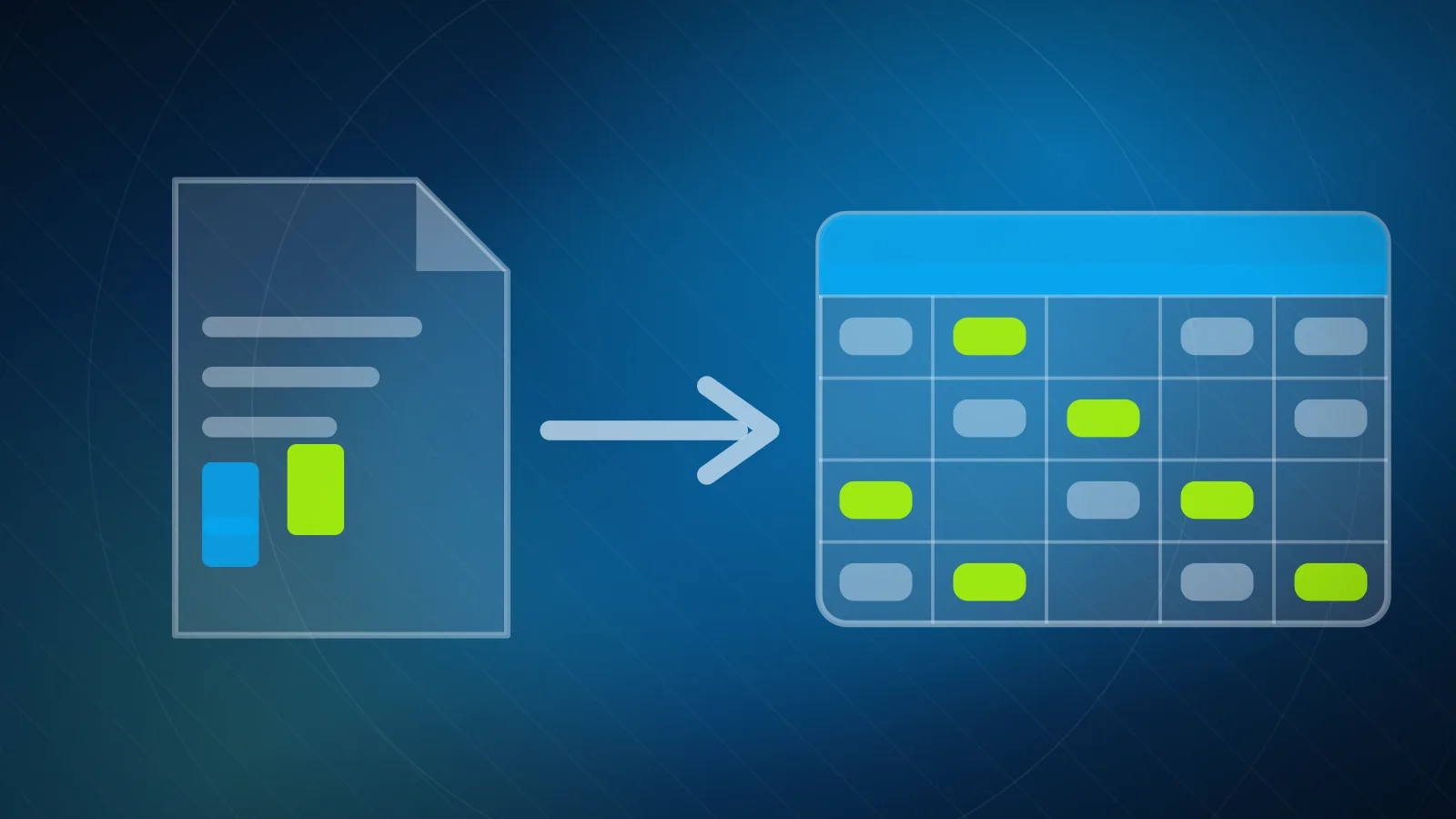
Attendance data can now be used to prepare timesheets by month, year and branch, with Excel and PDF export options. The update moves the longest part of month-end - collecting the data - to the beginning of the process instead of the end.
Previously the timesheet started from an empty template at month-end: working days were laid out, attendance records were copied across, and leave and time off were checked separately. QRGate now forms the timesheet from the attendance records that already exist.
The generation works across three dimensions:
The result can be exported as Excel or PDF: Excel for finance to move into their own template, PDF for signature and archiving.
The change felt most is in the human role. The HR administrator no longer fills in a blank document - they review a draft.
That produces three practical outcomes at month-end. Preparation time shortens, because the data is already collected. Attention shifts to the exceptions - a half day off, a swapped shift, a schedule changed mid-month - which is where most errors actually sit. And returning to an earlier period becomes easy: month, year and branch are selections rather than parts of a file name.
We break the timesheet into its component blocks on the how to prepare a timesheet page, and explain the general logic of electronic records on the electronic timesheet system page.
Reviewing and approving the timesheet stays with the responsible member of staff, exactly as before. The system prepares the document; the decision remains with a person, and that split is deliberate.
Excel does not disappear either. It remains an output format for sharing, additional calculation and transfer into other software. Only the source changes: the master record stays in the system and the file becomes a snapshot of that moment.
The internal calculation rules behind the timesheet are not disclosed in public content.
The update is aimed first at teams that assemble month-end data from several sources: companies with more than one branch, sites running shift patterns, and mid-sized companies where one or two people carry the HR workload.
In a single office on a fixed schedule the difference is smaller, because the data already lives in one place. We describe the wider picture on the timesheet automation page.
In practice the order becomes: records accumulate during the month, open items - pending time-off requests and correction requests - are closed in the final week, and a first draft of the timesheet is ready on the last working day.
One or two days then remain for review and approval. With that sequence in place month-end stops being a rush, because the work is no longer compressed into a single day.
One number is enough to judge the benefit: how many hours went into preparing last month's timesheet, and how many of those went into collecting the data rather than checking it?
If the second number is the larger one, this update applies directly to your process.
The main function of Qrgate is to let employees scan QR codes placed at entry points using the mobil...
MoreA chosen report can be set up in advance to be prepared daily, weekly or monthly and delivered to th...
MoreLocation context can be considered alongside attendance records for more reliable and transparent at...
More